courtesy of Ohmega1982/freedigitalphotos.net

Impaired Brain Signaling Pathway may cause Alzheimer’s

Scientists from the Mayo Clinic in Jacksonville, FL have found a defect in a brain signaling pathway that may contribute to the development of Alzheimer’s disease. This could lead to new prevention and treatment strategies.     Past studies suggest Alzheimer’s results from too much of a protein called beta-amyloid in the brain. The Mayo …


Read more

Ambro

Down Syndrome Study provides more clues about Alzheimer’s Disease

According to a new study from the University of Wisconsin-Madison’s Waisman Center, the protein commonly associated with Alzheimer’s disease, amyloid-β, and its impact on memory may not be as clear as previously thought. Lead study author Sigan Hartley, UW-Madison assistant professor of human development and family studies, and Brad Christian, UW-Madison associate professor of medical …

Read more

Courtesy of freedigitalphotos.net

The Best Books to Help Explain Alzheimer’s Disease to a Child

Alzheimer’s disease can be confusing and scary for anyone, but for a child or teen, it is important to talk with them as soon as possible so they begin to understand how the disease might change the relationship they have previously shared with their loved one. It may begin with a loved one forgetting a …

Read more

Photo courtesy of stockimages/freedigitalphotos.com

Human Brain Compensates for Alzheimer’s-Linked Protein

A new study may offer an explanation as to why some people with a build- up of beta-amyloid deposits, the destructive protein associated with Alzheimer’s disease, never develop dementia. The study’s principal investigator Dr. William Jagust, from the University of California, Berkeley’s Helen Wills Neuroscience Institute, said, “This study provides evidence that there is plasticity …

Read more

Photo courtesy of Sura Nualpradid/freedigitalphotos.net

Rare Blood Type may Raise Dementia Risk

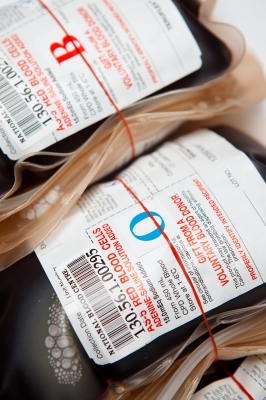
A new study finds that people with blood type AB, about 4% of the population, may have an increased risk for memory problems as they age. Over a three year study, those with blood type AB were almost twice as likely to experience memory problems as those with type O blood. Those with blood type …

Read more

Ambro

10 Stimulating Activities for Alzheimer’s Patients

A loved one with Alzheimer’s or dementia does not have to give up things they love. In the early stages of dementia, activities can be modified to the person’s ability to help enhance the quality of life. However, as the disease progresses, it may become difficult for the person carry on a conversation, respond to …

Read more

tockimages/ Freedigitalphotos.net

Early-Onset Dementia Figures Double

A new study has found that the rate of people who develop symptoms of early-onset dementia has nearly doubled, from 17,000 to 42,000. Patients in the UK are developing dementia before the age of 65, including thousands of people in their 40s and more than 700 in their 30s. Dementia is often missed in younger …

Read more

Photo courtesy of zirconicusso/freedigitalphotos.net

Unexpected Things that Affect your Memory

Misplace a pen or forget a doctor’s appointment? Fear not, most forgetfulness is nothing serious says Dr. Majid Fotuhi, founder and chief medical officer of NeurExpand Brain Center in Luterville, MD. Anything from lack of sleep to stress can affect memory. “Fortunately, your brain is malleable, meaning it changes and improves,” Fotuhi said. “Memory can …

Read more

Image courtesy of cooldesign/freedigitalphotos.net

Missing Protein Could Signal Dementia

Researchers from the University of Warwick in the UK have conducted a study which suggests the absence of a protein, called the MK2/3 protein, is associated with the early signs of dementia. The MK2/3 protein regulates the shape of spines in postsynaptic neurons, which is how information in the brain is transferred. Those neurons lacking …

Read more

Photo courtesy of Petr Novák, Wikipedia

Eyes Provide Clues for Rare Frontotemporal Dementia

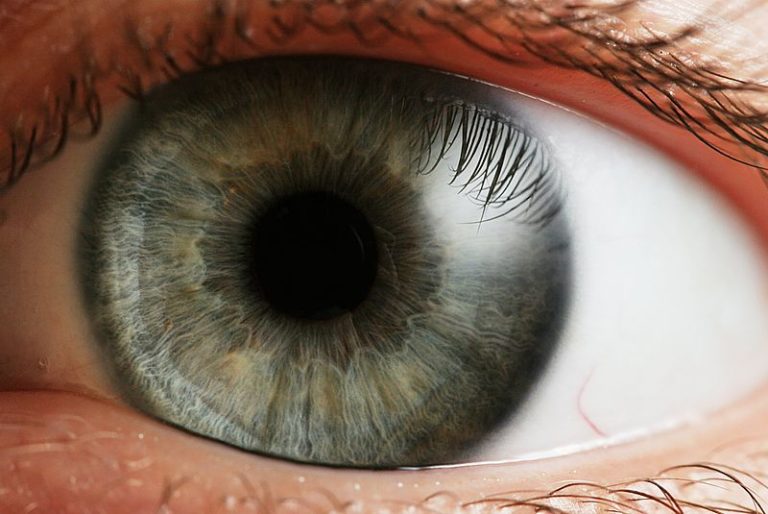
Accounting for 10 to 15 percent of dementia cases, the rare frontotemporal dementia is similar to Alzheimer’s disease but attacks much earlier and can cause alarming behaviors. Patients typically forget the names of objects, say inappropriate things, and lose the capacity for empathy. Neuroscientists at the University of California, San Francisco, have found that before …

Read more

STUDIES ARE ENROLLING NOW!

Memory Loss

Obesity

Alzheimer's Disease

For those who are struggling with memory loss, a memory screen is a step in the right direction to keeping their minds healthy. Apply for a FREE memory screen today!

We are currently seeking overweight adults for an upcoming weight management study. If you are an overweight adult you may be eligible. Learn more today.

More than six million Americans are living with Alzheimer’s disease. If your loved one has been diagnosed with Alzheimer’s disease, they may qualify for a research study. Learn More!