
Photo courtesy of 1shots/freedigitalphotos.net

Cynicism Linked to Increased Risk of Dementia

Negative thinking may be hurting your health. A new study has suggested that highly cynical people have an increased risk of developing dementia. Anna-Maija Tolppanen, one of the study’s authors and Professor at the University of Eastern Finland, said, “There have been previous studies that showed that people who were cynical were more likely to …


Read more

Photo courtesy of franky242/freedigitalphotos.net

Tips on Preventing Sundowning

The phenomenon of sundowning, also called “late day confusion”, affects people with Alzheimer’s and dementia. Sundowning is when symptoms worsen in the late afternoon and evening—once the sun goes down—and often affects people who have mid-stage and advanced dementia. Knowing how to reduce sundowning behavior can benefit both the patient and caregiver.     Stick …

Read more

Photo courtesy of samarttiw/freedigitalphotos.net

Holistic Practice to Ease Dementia Symptoms

Researchers at Teesside University have discovered that a combination of cognitive activities, yoga, meditation, and physical exercise can improve the quality of life for individuals battling dementia. This includes mixing elements of yoga, tai chi, qigong, and meditation, along with physical and cognitive exercises, which lessened depression and enhanced physical and mental abilities.     …

Read more

Photo courtesy of Wikipedia

Don’t Bottle it Up: Dementia Awareness Week 2014

The week of May 18-24, 2014 is the Alzheimer’s Society’s Dementia Awareness Week. This week is about raising awareness and gaining information and support for those who need it. Find out ways you can get involved:     Use Facebook and Twitter     One of the easiest things you can do is use your …

Read more

Photo courtesy of dream designs/freedigitalphotos.net

Taking More Heart Medicine than Needed can Increase risk of Dementia

For patients with atrial fibrillation, there is an increased risk of developing dementia if they are taking dosages of blood thinning medication that are not at optimal recommended range. “Most patients who develop atrial fibrillation require the use of an anticoagulant to prevent a stroke. The most common anticoagulant used worldwide is Warfarin, and we …

Read more

Photo courtesy of phasinphoto/freedigitalphotos.net

Are Routine Dementia Screenings Lacking?

The new health law requires Medicare to cover screening for cognitive impairment during an annual wellness visit, however, a new study found that there is not enough evidence to recommend dementia screenings during wellness visits for people older than 65. Albert Siu, Professor and Chair of Geriatrics and Palliative Care at Mount Sinai School of …

Read more

Photo courtesy of stockimages/freedigitalphotos.net

Alzheimer’s Subtype may be Commonly Misdiagnosed

Patients with a new subtype of Alzheimer’s disease are commonly misdiagnosed and don’t receive proper treatment, a new study shows. Led by Dr. Melissa Murray, Assistant Professor of Neuroscience at the Mayo Clinic, the research team analyzed the brains of more than 1,800 Alzheimer’s patients and found that 11 percent of them had a subtype, …

Read more

Photo courtesy of taoty/freedigitalphotos.net

Is it Dementia? Or Something Else?

With the increasing rates of Alzheimer’s and dementia, it is understandable that one would be worried at the first sign of symptoms. However, there are over 100 disorders that mimic the symptoms of dementia. “Some of these conditions are not serious, but they’re often missed or misdiagnosed in seniors,” says P. Murali Doraiswamy, coauthor of …

Read more

Photo courtesy of Petr Novák, Wikipedia

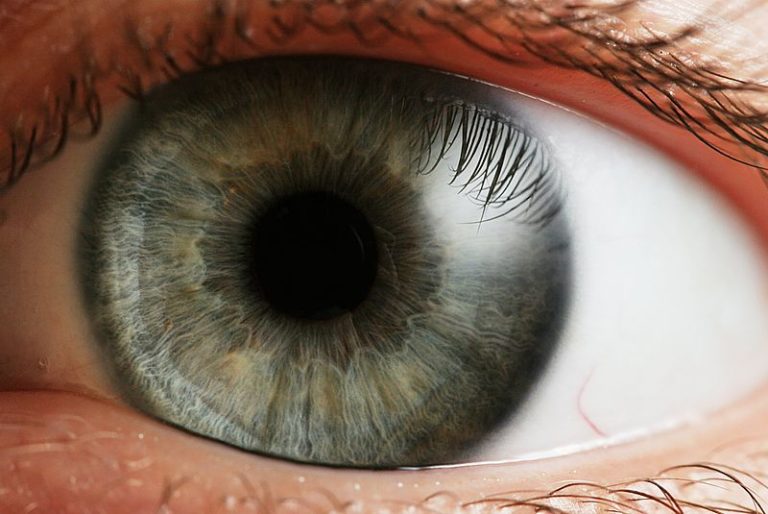
The Eyes Have It

The eyes may not only be the window to the soul, but now, they are a window to early-stage Alzheimer’s disease. A new study links changes in the eye to Alzheimer’s disease, noting that structural changes in the retina—specifically the retinal pigment epithelial layer and the choroidal layer—could signal Alzheimer’s.     Researchers at Cedars-Sinai …

Read more

Photo courtesy of Witthaya Phonsawat/freedigitalphotos.net

Preparing for a Natural Disaster with an Alzheimer’s Patient

Natural disasters, like forest fires or hurricanes, can be dangerous for everyone but can be especially confusing for individuals with Alzheimer’s disease. There are steps that you can take to ensure you are as ready as possible to provide great care in the event of a disaster.     Before a Disaster Hits     …

Read more

STUDIES ARE ENROLLING NOW!

Memory Loss

Obesity

Alzheimer's Disease

For those who are struggling with memory loss, a memory screen is a step in the right direction to keeping their minds healthy. Apply for a FREE memory screen today!

We are currently seeking overweight adults for an upcoming weight management study. If you are an overweight adult you may be eligible. Learn more today.

More than six million Americans are living with Alzheimer’s disease. If your loved one has been diagnosed with Alzheimer’s disease, they may qualify for a research study. Learn More!