
Courtesy of freedigitalphotos.net

The Best Books to Help Explain Alzheimer’s Disease to a Child

Alzheimer’s disease can be confusing and scary for anyone, but for a child or teen, it is important to talk with them as soon as possible so they begin to understand how the disease might change the relationship they have previously shared with their loved one. It may begin with a loved one forgetting a …


Read more

Photo courtesy of stockimages/freedigitalphotos.com

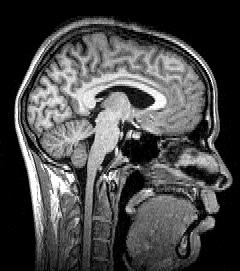
Human Brain Compensates for Alzheimer’s-Linked Protein

A new study may offer an explanation as to why some people with a build- up of beta-amyloid deposits, the destructive protein associated with Alzheimer’s disease, never develop dementia. The study’s principal investigator Dr. William Jagust, from the University of California, Berkeley’s Helen Wills Neuroscience Institute, said, “This study provides evidence that there is plasticity …

Read more

Photo courtesy of photostock/freedigitalphotos.net

Alzheimer’s Caregiving doesn’t have to be Emotionally Isolating

Alzheimer’s caregivers often feel emotionally isolated as they struggle to face the challenges they encounter on a daily basis. Sue Shipper can’t remember exactly when she became isolated from everyone in her life as she took care of her Alzheimer’s-stricken husband, Robert.   Shipper’s story is very common among Alzheimer’s caregivers whose isolation becomes a …

Read more

Photo courtesy of Sura Nualpradid/freedigitalphotos.net

Rare Blood Type may Raise Dementia Risk

A new study finds that people with blood type AB, about 4% of the population, may have an increased risk for memory problems as they age. Over a three year study, those with blood type AB were almost twice as likely to experience memory problems as those with type O blood. Those with blood type …

Read more

Ambro

10 Stimulating Activities for Alzheimer’s Patients

A loved one with Alzheimer’s or dementia does not have to give up things they love. In the early stages of dementia, activities can be modified to the person’s ability to help enhance the quality of life. However, as the disease progresses, it may become difficult for the person carry on a conversation, respond to …

Read more

tockimages/ Freedigitalphotos.net

Early-Onset Dementia Figures Double

A new study has found that the rate of people who develop symptoms of early-onset dementia has nearly doubled, from 17,000 to 42,000. Patients in the UK are developing dementia before the age of 65, including thousands of people in their 40s and more than 700 in their 30s. Dementia is often missed in younger …

Read more

Photo courtesy of ponsulak/freedigitalphotos.net

Easing the Burden of Dementia with Mindfulness

According to a research study, mindfulness training can ease depression and improve sleep and quality of life for both people with early-stage dementia and their caregivers. “The disease is challenging for the affected person, family members, and caregivers,” says study lead author Ken Paller, professor of psychology at Weinberg College of Arts and Sciences at …

Read more

Photo courtesy of Petr Novák, Wikipedia

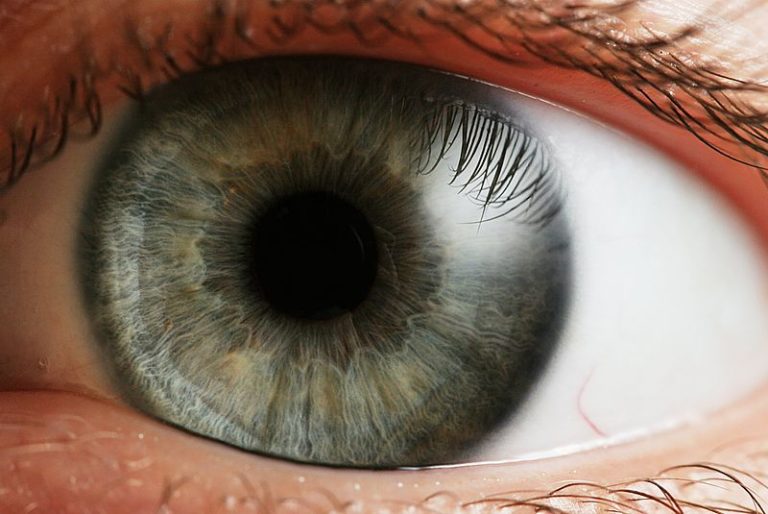
Eyes Provide Clues for Rare Frontotemporal Dementia

Accounting for 10 to 15 percent of dementia cases, the rare frontotemporal dementia is similar to Alzheimer’s disease but attacks much earlier and can cause alarming behaviors. Patients typically forget the names of objects, say inappropriate things, and lose the capacity for empathy. Neuroscientists at the University of California, San Francisco, have found that before …

Read more

Photo courtesy of Sura Nualpradid/freedigitalphotos.net

A Man’s Rare Condition May Lead to New Alzheimer’s Treatment

A man with a rare disease has shown scientists that there might be another way to try to stop the damage of Alzheimer’s disease. A mutation of the apolipoprotein E gene (apoE4) has been shown to raise the chances of developing Alzheimer’s disease, and experts have wondered how dangerous it would be to treat patients …

Read more

Family

Depression and Cognitive Impairment Tied to Faster Brain Aging

For adults over 65, having depression and mild cognitive impairment (MCI) can leave the person vulnerable to accelerated brain aging, according to a new study. Meryl A. Butters, Ph.D., an associate professor of psychiatry at the University of Pittsburgh School of Medicine and senior investigator on the study, said that older adults with depression already …

Read more

STUDIES ARE ENROLLING NOW!

Memory Loss

Obesity

Alzheimer's Disease

For those who are struggling with memory loss, a memory screen is a step in the right direction to keeping their minds healthy. Apply for a FREE memory screen today!

We are currently seeking overweight adults for an upcoming weight management study. If you are an overweight adult you may be eligible. Learn more today.

More than six million Americans are living with Alzheimer’s disease. If your loved one has been diagnosed with Alzheimer’s disease, they may qualify for a research study. Learn More!